
Non-Surgical Body Contouring & Aesthetic Treatments in the UK
Consultation-led, non-surgical body contouring and aesthetic wellness care — designed around your concerns, your pace and your goals. Discreet, professional and rooted in genuine clinical understanding.
Lipo Sculpt Professional Treatments
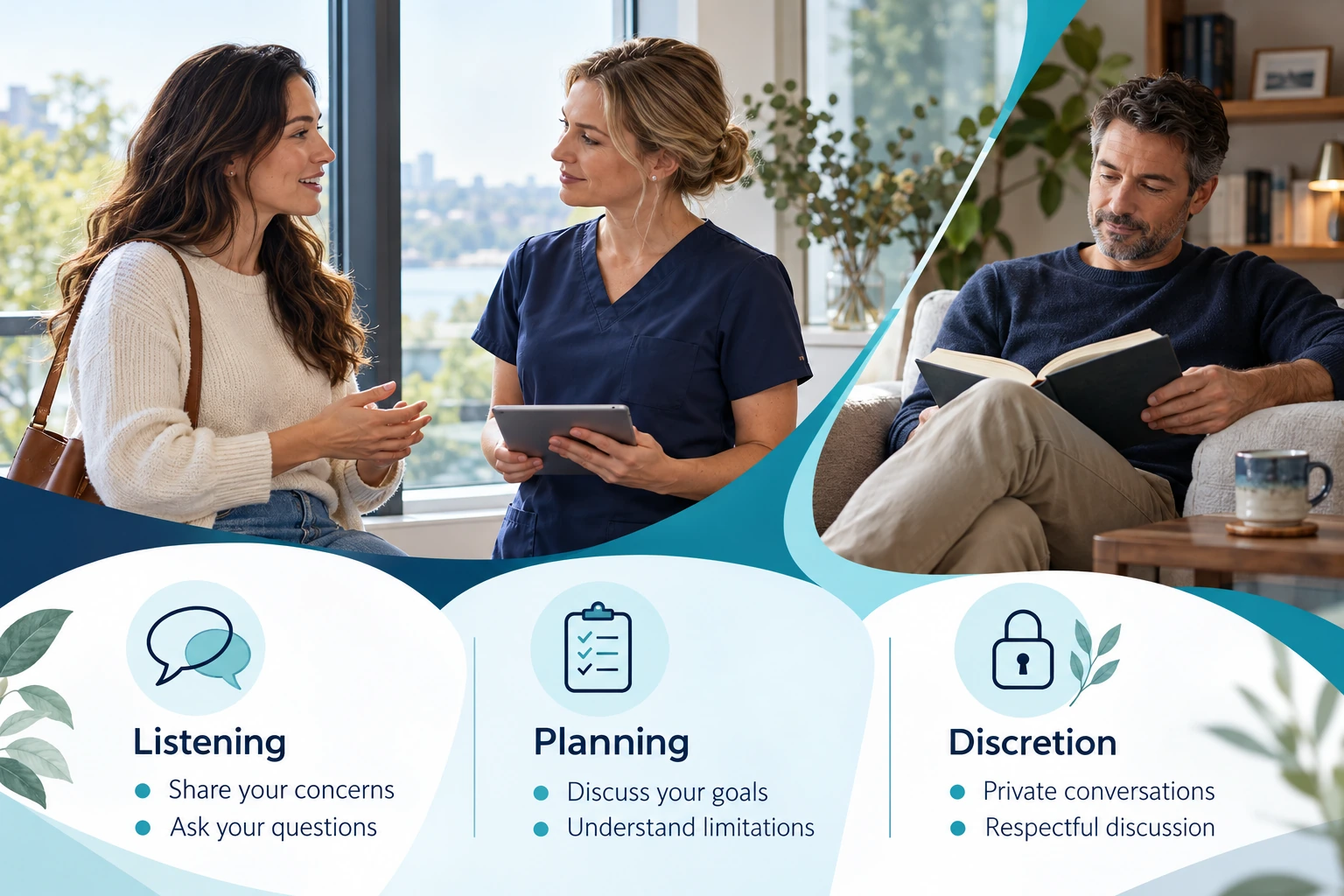
Whatever has brought you here — a small concern that diet and exercise haven't shifted, skin that feels less firm than it once did, facial changes that leave you looking more tired than you feel, or something more personal — you deserve support that feels considered, calm and truly tailored to you.
This is a non-surgical aesthetic and body-contouring practice built on a consultation-led foundation. Everything here is designed to help you explore your options with clarity, at a pace that feels right, without pressure or rushed decision-making.
From the very first conversation to your ongoing care, every aspect of the experience prioritises your comfort, confidence and understanding. The aim is not to sell you a treatment — it is to help you discover what is genuinely appropriate for you.
Consultation-Led
Every journey begins with careful, unhurried listening.
Non-Surgical
Advanced treatments without the risks of invasive procedures.
Bespoke Planning
No generic protocols — every plan is built for you.
Genuine Discretion
Private, respectful care at every stage of the journey.
Why Professional, Consultation-Led Treatment Makes a Difference
Aesthetic treatment is a personal decision. When it is supported by the right professional environment, the experience becomes safer, clearer and significantly more effective in achieving results that feel appropriate and lasting.
Proper Assessment Before Any Treatment
Qualified practitioners take the time to understand your medical history, skin type, lifestyle and goals before proposing anything. This thoroughness is what makes treatment safe and suitable, not just available.
Honest, Realistic Expectations
Properly trained consultants are truthful about what treatment can and cannot achieve. Understanding realistic outcomes empowers informed decision-making — and removes the risk of disappointment born from overpromising.
Continuity of Care
Professional treatment is not a single event — it is a managed process with follow-up, aftercare guidance and ongoing support. That continuity is what turns a good result into a lasting, well-maintained one.
Safety as a Non-Negotiable Standard
Clinically supervised treatment environments, validated technology and thorough client screening are not extras — they are the baseline. Professional care means these are already in place before you arrive.
Personalisation That Changes Outcomes
Generic, one-size-fits-all approaches rarely deliver the best results. A practitioner who designs treatment specifically for your body, your skin and your expectations will consistently outperform any standardised protocol.
A Calm, Informed Starting Point
Beginning with a structured consultation rather than a commitment removes the pressure from the process. Professional care should feel like an informed conversation, not a sales interaction. That distinction matters enormously.
How the Treatment Journey Works
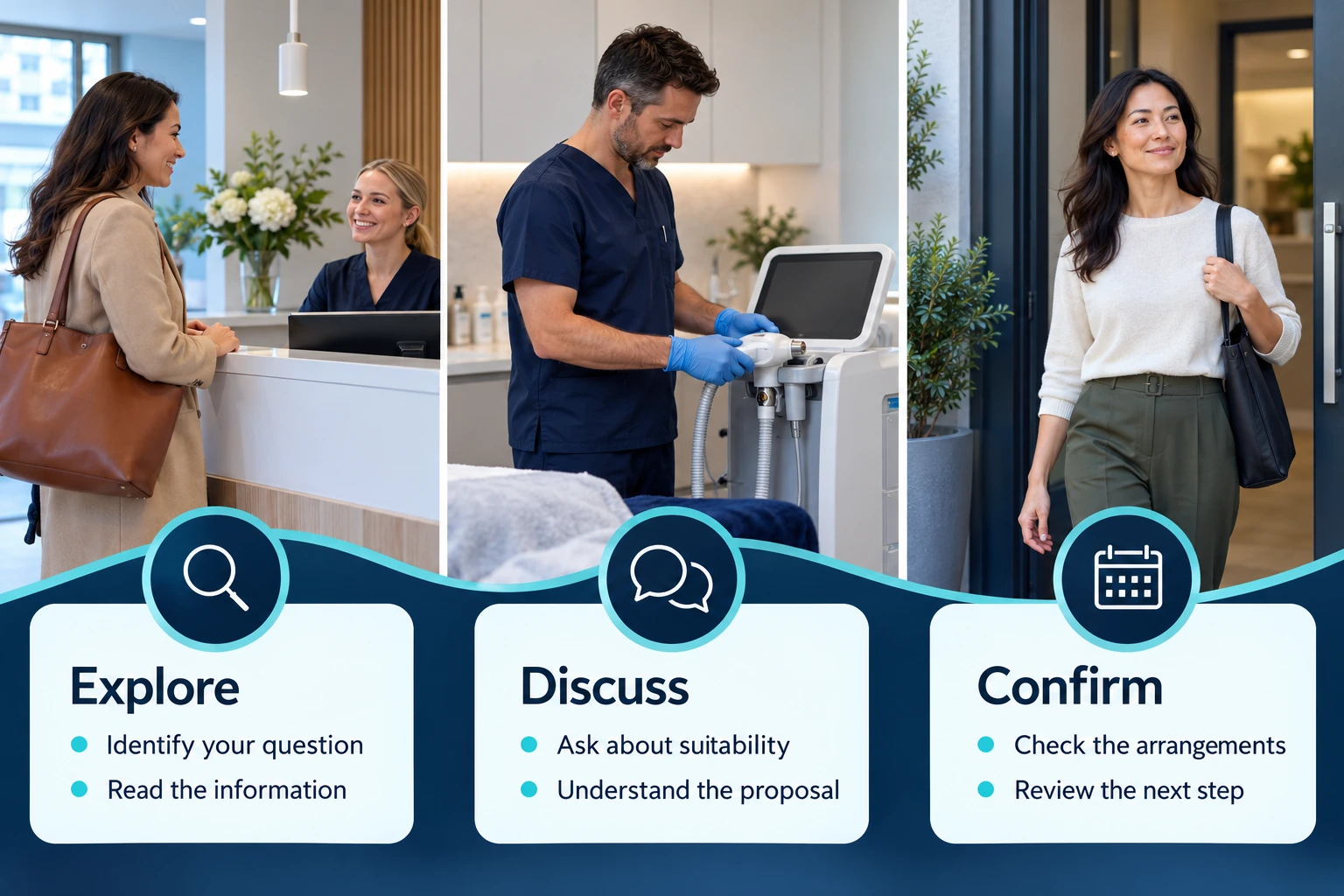
From first enquiry to ongoing aftercare, the process is designed to feel orderly, clear and supportive at every stage. Nothing is assumed and nothing is rushed.
Initial Consultation
A structured, private conversation to understand your concerns, goals, medical background and what you want from treatment. No commitments required at this stage.
Personalised Treatment Plan
Based on your consultation, a tailored plan is created that accounts for your specific areas of concern, skin quality, lifestyle and expectations. Nothing is templated.
Treatment Delivery
Treatment is carried out with precision and care, using appropriate technology and proven protocols. You will always know what is happening and why at every step.
Aftercare & Review
Ongoing support, clear aftercare guidance and review appointments ensure your results are properly maintained and that you feel fully supported throughout your recovery.
Who Is Suitable for Non-Surgical Aesthetic Care
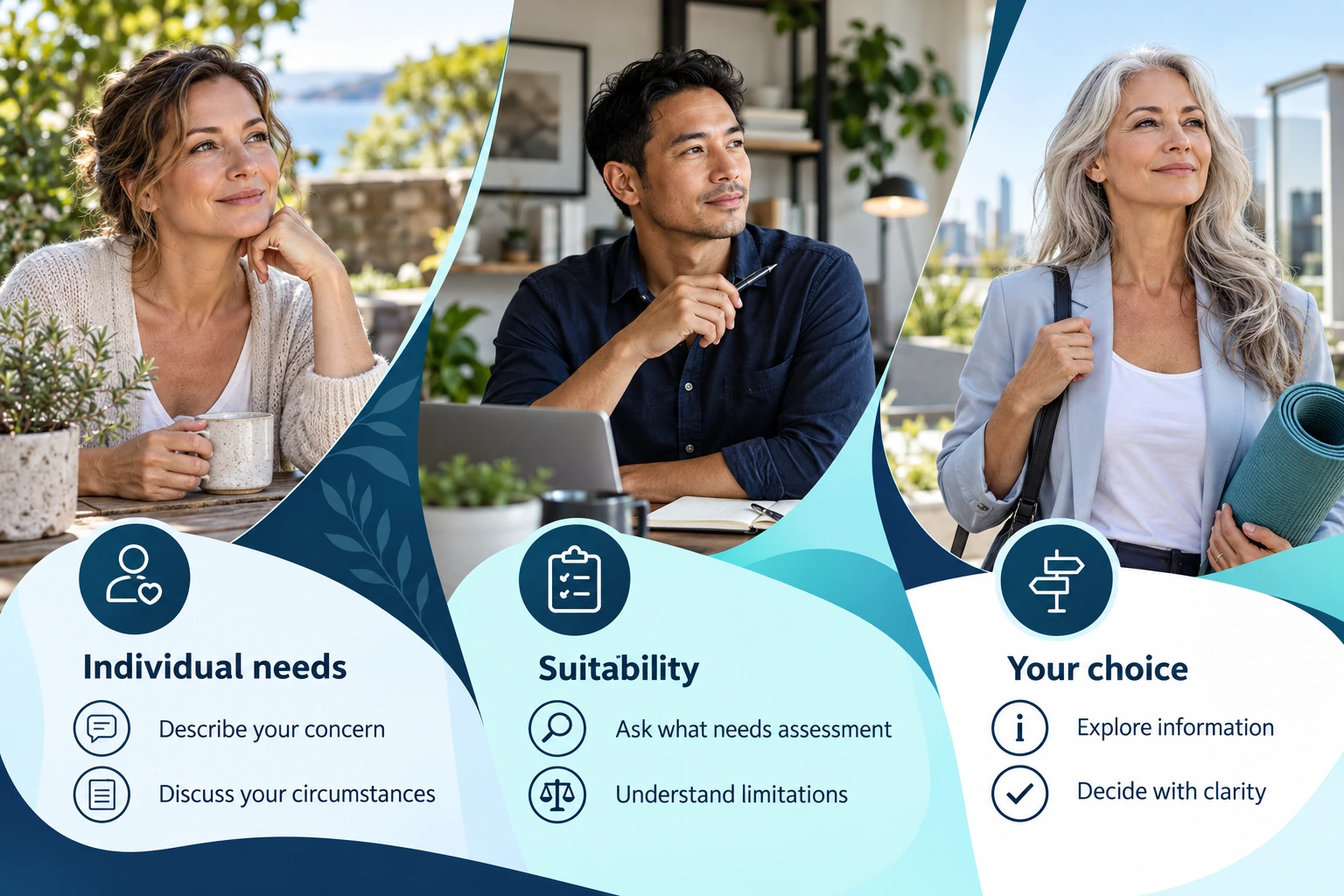
Non-surgical aesthetic and body-contouring care is appropriate for a wide range of people. There is no single profile that defines a suitable candidate — suitability is always assessed individually, through thorough consultation. That said, several common circumstances tend to bring people to this kind of treatment.
- Individuals who have noticed localised changes in body shape following weight fluctuation, pregnancy or the natural process of ageing.
- Those experiencing stubborn pockets of fat that have not responded to consistent dietary and exercise effort.
- People who feel their skin has lost firmness or elasticity and would like a more supported, toned appearance without surgical intervention.
- Individuals seeking non-surgical facial support to address visible signs of ageing in a natural, balanced way.
- Those dealing with skin concerns such as lesions or blemishes that cause daily discomfort or self-consciousness.
- Individuals looking for discreet support with intimate wellness concerns or incontinence-related issues.
- Anyone who has considered treatment for some time but wants a measured, unhurried introduction to their options before making any decision.
A Note on Suitability
Suitability for any treatment is always assessed properly during consultation. There is no assumption made prior to a full and honest conversation about your health, your expectations and what may or may not be appropriate for you.
Where a treatment is not suitable, that will be communicated honestly and clearly. The goal is always to ensure you receive care that is right for you — not simply what is available.
This may also include situations where no treatment is recommended at all, or where a different kind of support is more appropriate. Honesty is central to the experience — at every stage.
Types of Conditions and Concerns Addressed
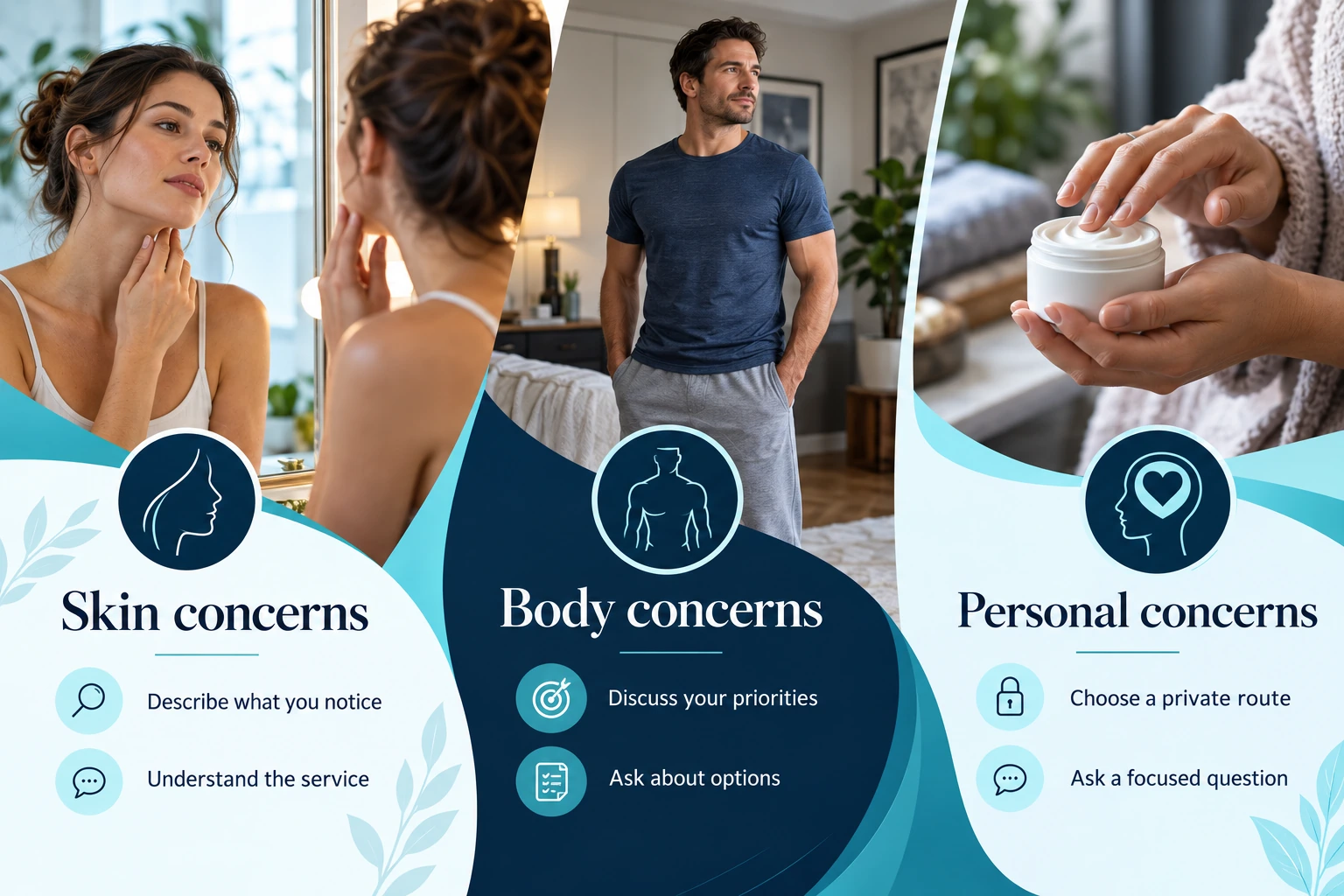
The treatment areas covered span a broad range of aesthetic and wellness concerns. Each is approached with the same commitment: safety, discretion, clear communication and truly personalised care.
Localised Fat Accumulation
Stubborn areas of fat that persist despite a healthy and consistent lifestyle are among the most common concerns presented. These pockets are often not a reflection of overall health — they are simply areas that hold on to fullness in ways that can feel frustrating and disproportionate. Treatment focuses on targeted, measured intervention rather than sweeping or dramatic change.
Loss of Skin Firmness
Skin naturally changes over time — losing some of its elasticity and resilience. This can become more pronounced following weight loss, pregnancy or simply the gradual passage of time. These changes are entirely natural, but that does not mean everyone feels comfortable with them. Skin-tightening treatment offers a non-invasive approach to supporting a firmer, more toned appearance.
Facial Ageing
Facial change tends to occur gradually — a softening of the jawline, a shift in texture, a subtle fatigue that the mirror reflects back even when it is not genuinely felt. Non-surgical facial rejuvenation supports a more rested and balanced appearance without dramatic alteration. The goal is to look more like yourself, not different from yourself.
Skin Lesions and Blemishes
Some skin concerns go beyond the cosmetic — lesions or blemishes may cause daily irritation, catch on clothing or simply become a persistent source of self-consciousness. Removal is addressed with clinical care, preceded by proper assessment to confirm the nature of the concern and its suitability for treatment. The process is discreet, professional and personally managed.
Intimate Wellness Concerns
Intimate wellness is a sensitive area of care that requires not just clinical expertise, but genuine consideration and respect. Concerns in this area may affect confidence, comfort and how someone feels in everyday life. Treatment is offered in a calm, private environment where open conversation is always encouraged and no concern is made to feel awkward or inappropriate.
Incontinence-Related Issues
Urinary incontinence is far more common than many people realise, yet it is frequently endured quietly for a long time before any support is sought. Non-surgical options exist that can provide meaningful improvement. The consultation approach ensures that concerns are explored with care and clarity, and that any discussion takes place in a space that feels safe, private and entirely without judgement.
Treatment Options and What to Expect
All treatment options are presented and discussed clearly during your consultation. Below is a general overview of the approaches available, how they are structured and what the experience typically involves.
Realistic Results and What to Expect Over Time
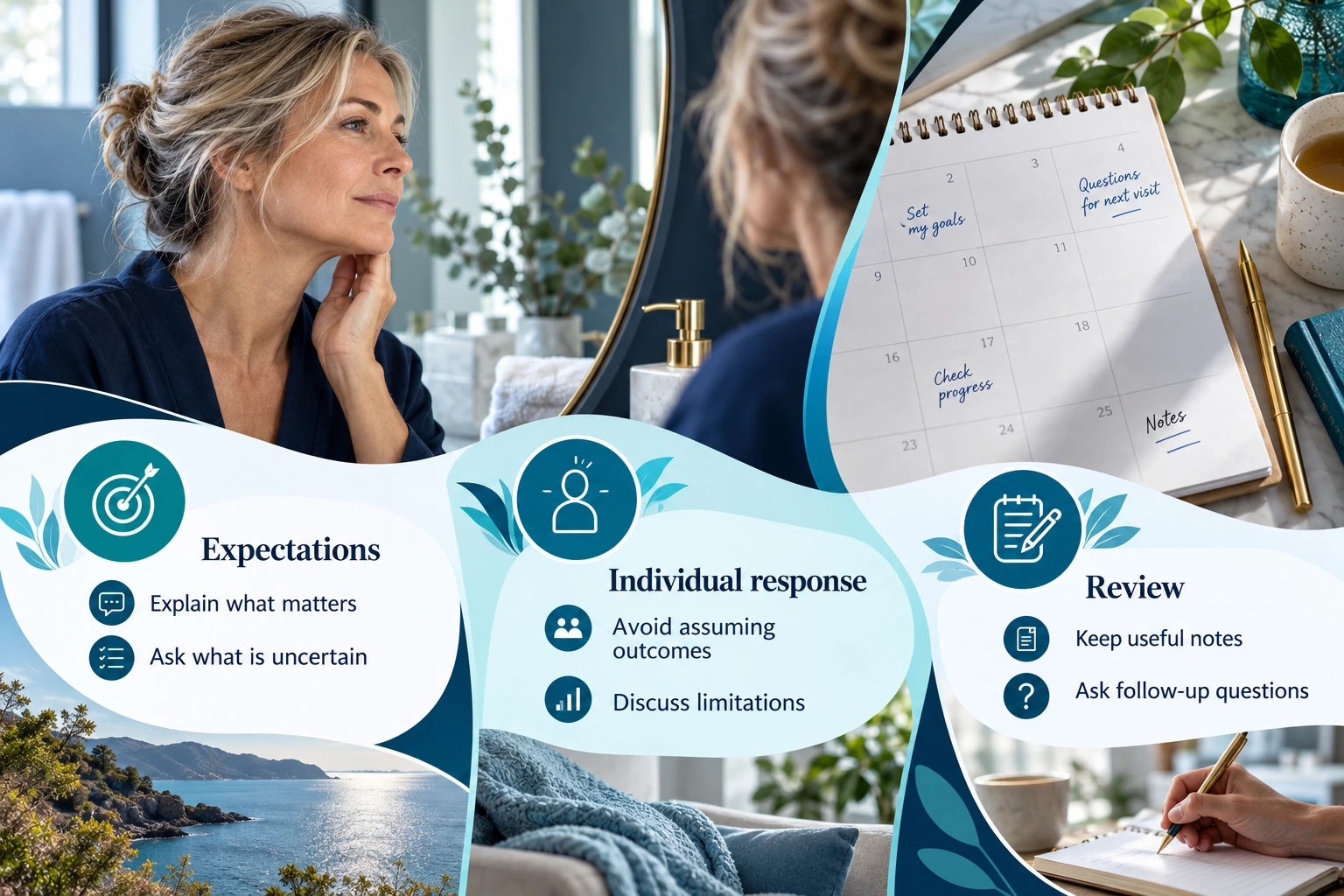
One of the most important aspects of responsible aesthetic care is honest communication about outcomes. Understanding what treatment can realistically achieve — and over what timeframe — is fundamental to a satisfying experience.
Results Are Gradual, Not Instant
Non-surgical treatment typically produces results that develop progressively over weeks, rather than overnight. This is actually a significant advantage — gradual change integrates naturally and is far less likely to appear dramatic or out of place.
Natural-Looking Outcomes Are the Goal
The most satisfying aesthetic result is often the one that others cannot quite identify. People may notice that you look refreshed, well or more comfortable — but they may not know precisely why. That understated outcome is what most clients genuinely want, and it is what drives every treatment plan.
Individual Results Will Vary
No two people share the same body composition, skin type, lifestyle or starting point. Results vary between individuals, and an honest consultation will always reflect this reality rather than offering identical promises to every client.
Maintenance Supports Longevity
Proper aftercare and, where appropriate, follow-up treatments contribute significantly to how long and how well results are maintained. Clear guidance on this is always provided as part of the overall care plan.
"The best outcome is the one that makes you feel a little more like yourself again — more balanced, more comfortable, with a little less of the worry that used to occupy your thoughts."
Safety Standards and Professional Care
Safety is not an afterthought in any reputable aesthetic practice — it is the foundation on which everything else is built. The following standards form part of the core commitment to client welfare.
Thorough Pre-Treatment Screening
Every client undergoes proper assessment before any treatment proceeds. This includes a review of medical history, current health status and any factors that may affect suitability. Nothing is assumed and no treatment begins without this foundation in place.
Validated Treatment Technology
Only clinically validated and appropriately selected technology is used. Equipment is maintained to the required standards and operated by trained practitioners who understand both its capabilities and its limitations in the context of individual treatment plans.
Informed Consent and Clear Communication
Clients are always fully informed before any treatment is agreed. This includes an honest explanation of what the treatment involves, what it is designed to achieve, what the expected experience will feel like and what the potential limitations or considerations may be.
Structured Aftercare Protocols
Safe treatment does not end when the appointment concludes. Clear, written aftercare guidance is provided and follow-up appointments are structured into the treatment plan so that recovery is properly monitored and any questions that arise can be addressed without delay.
Honest Declination When Appropriate
When a treatment is not appropriate for a particular client, that is communicated clearly and respectfully. A professional practice does not proceed with treatment that is not in the client's best interests simply because a request has been made. That honesty is itself a mark of genuine care.
Trained and Experienced Practitioners
The human element of safety is just as important as the clinical one. Practitioners are trained not only in the technical aspects of treatment delivery but also in the responsibility that comes with working with people who may be feeling vulnerable, uncertain or emotionally invested in the process.
Aftercare and Maintaining Your Results
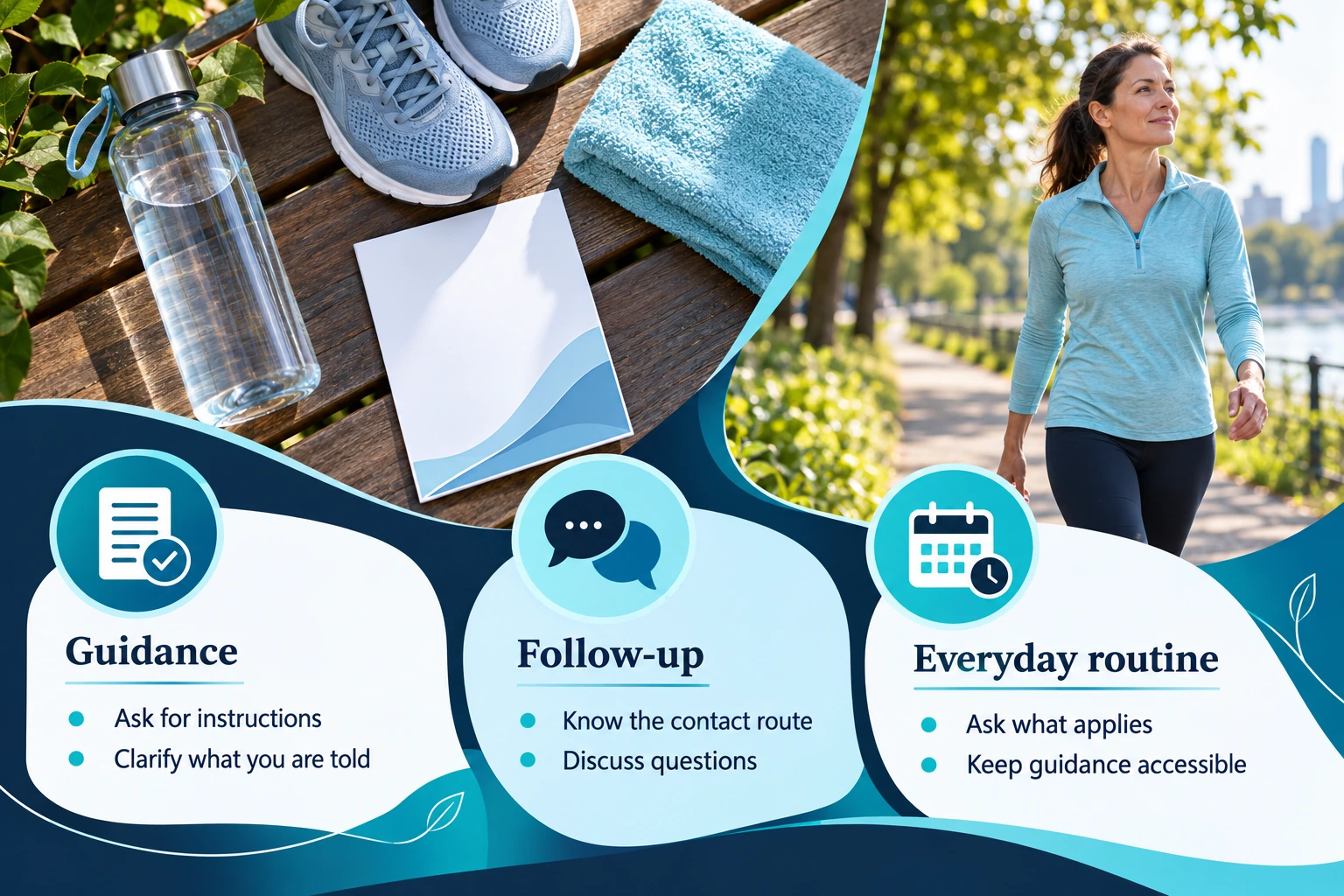
What happens after your treatment is just as important as the treatment itself. A properly designed aftercare plan supports your results, reduces the risk of complications and ensures the overall experience feels well-managed from start to finish.
Immediate Post-Treatment Guidance
Following treatment, you will be provided with clear and specific guidance on what to expect in the hours and days immediately after. This will cover any temporary sensations you may experience, what to avoid during the initial period and how to manage your routine without disrupting the treatment area. This information is given to you verbally and in written form so nothing is left to memory alone.
Lifestyle and Activity Recommendations
Specific advice around activity levels, skincare and general lifestyle adjustments is tailored to the type of treatment received. Some treatments benefit from particular approaches during the recovery window; others integrate into your normal routine very quickly. Your consultant will explain exactly what applies to your plan and why, so that your daily life can continue with as little disruption as possible.
Follow-Up Review Appointments
Review appointments are built into the treatment plan to allow progress to be properly assessed. These appointments give you the opportunity to discuss how the experience has felt, ask any questions that have arisen and — where appropriate — adjust the plan to better reflect your progress and ongoing goals. They also provide the practitioner with the information needed to manage your care responsibly over time.
Long-Term Result Maintenance
Some results benefit from periodic maintenance treatments to remain at their best over the longer term. Where this applies, it will be discussed honestly during the planning stage. Maintenance is always optional and entirely client-directed — it is presented as information, not as a sales activity. The goal is to help you make the best decision for your own circumstances and expectations.
Ongoing Access to Support
Clients are not left to navigate the post-treatment period alone. Access to professional support — whether to address a concern, ask a question or simply seek reassurance — is part of the overall care commitment. If something unexpected arises, you should feel confident that there is a clear and responsive route to guidance. That continuity of care is part of what makes the experience feel trustworthy and well-supported throughout.
Frequently Asked Questions
Below are some of the questions most commonly raised during consultations. If your question is not covered here, it will always be welcomed and answered openly during your appointment.
Do I have to commit to treatment after my initial consultation?
+Will the results look natural?
+Is there significant downtime involved?
+Is my information and treatment kept confidential?
+What if I am not sure which treatment is right for me?
+Are non-surgical treatments as effective as surgical alternatives?
+How do I know if I am a suitable candidate?
+Patient Experiences
The experiences shared below reflect real responses from clients who have undergone treatment. They illustrate the importance of feeling heard, properly informed and genuinely supported throughout the process.
I had been considering treatment for almost two years but felt apprehensive about the process. From the very first consultation, I felt listened to rather than assessed. The plan was explained clearly and at no point did I feel rushed into anything. The result has been subtle but significant — I feel considerably more comfortable in my own skin.
I was initially hesitant to discuss an intimate concern — it felt embarrassing to bring up at all. The consultation was handled with such genuine care and discretion that I felt immediately at ease. I was given all of the information I needed without feeling judged for a moment. That approach made all the difference to me.
What I valued most was the honesty. I came in expecting to be told I needed multiple treatments immediately, but the consultant took the time to explain what was realistic, what might help and what the expected timeline looked like. It felt like speaking to someone with my best interests at heart rather than a commercial one.
Our Approach to Patient Care
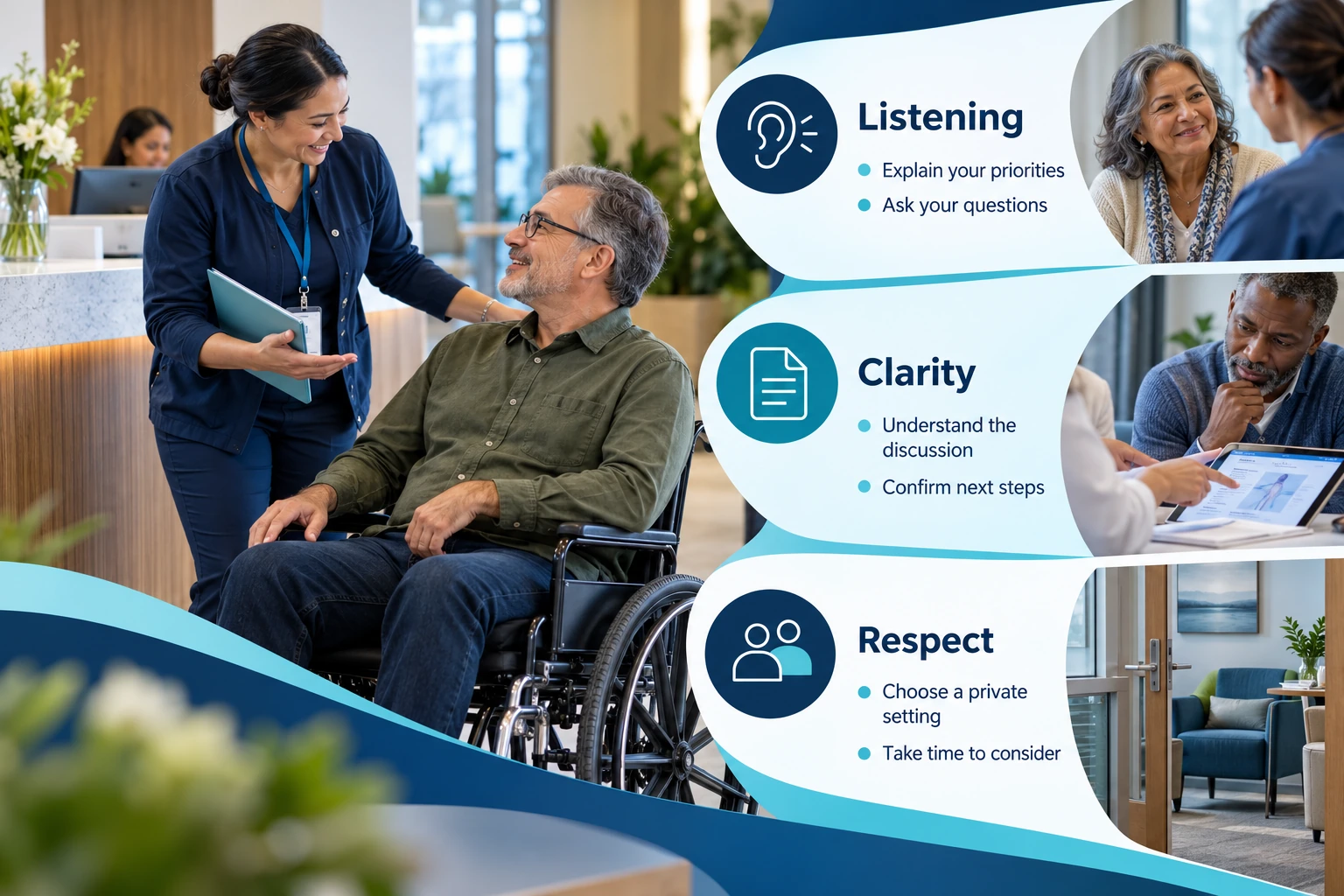
Aesthetic care should feel safe, considered and genuinely client-centred. That is not a marketing statement — it is the operational principle from which every part of the practice is designed. A good experience in aesthetic treatment begins long before any procedure takes place, and it continues long after one concludes.
The approach is built around five core commitments, each of which shapes how every client interaction is handled — regardless of the nature of the concern or the treatment involved.
Listening First
Every consultation begins with listening — carefully and without interruption. Understanding your concern properly is the only way to respond to it properly. No assumptions are made before you have spoken.
Honest and Clear Communication
Information is always provided in plain language. Complex clinical terminology is explained where it arises. The goal is that you leave every appointment feeling more informed than when you arrived, never more confused.
Personalised at Every Stage
No two clients share the same plan. The treatment approach is always shaped by the individual — their body, their history, their goals and their comfort level — not by a standardised protocol applied to all.
Warm, Respectful Professionalism
Clinical professionalism and human warmth are not mutually exclusive. The environment is designed to feel calm, considered and welcoming — not cold, pressured or transactional.
Continuity You Can Rely On
From initial enquiry to ongoing aftercare, the experience is designed to feel consistent and dependable. You are not passed between different people or left to start again at each interaction — your care is continuous and well-managed.
"People don't just remember what a treatment looked like. They remember how it made them feel."
A positive experience leaves a person feeling respected and reassured. It is that feeling — of being genuinely cared for, properly informed and treated as an individual — that builds the trust on which lasting clinical relationships are founded.
Premium care should feel composed, smooth and trust-based. That is the standard this practice works to every day, for every client, regardless of the nature of their concern.
Next Steps and What to Know Before You Begin
Starting the process does not require certainty about what you want. Whether you are in the early stages of considering treatment or ready to discuss a specific concern, the next step is simply a conversation. Here is what you can expect.
You Do Not Need to Have All the Answers
Many people approach their first consultation with a vague sense that something could feel better, rather than a defined treatment goal. That is perfectly normal and entirely welcome. The consultation is designed to help you find the right direction — not to confirm a decision you have already made. Arrive with your concerns and leave with clarity.
The First Step Is a Conversation
There are no forms to fill out and no commitments to make before your consultation. The initial enquiry is simply an opportunity to express an interest and arrange a time to talk. From that point, the conversation will guide everything. You are in control of the pace, the direction and the decisions at every stage of the process.
What to Bring to Your Consultation
It is helpful to think about the specific concerns you would like to discuss, any relevant medical history that may be pertinent and any questions you have been wanting to ask. Notes are welcome and encouraged — the more you are able to share, the more useful the consultation will be. Nothing is too small or too personal to mention.
Before Your First Consultation
It is worth noting that a consultation is not a treatment session. It is an assessment and information-gathering appointment that allows both you and your practitioner to establish whether a treatment plan is appropriate, what it might involve and how it would be structured. There is no obligation to proceed beyond this point, and the information provided during consultation is given freely and without conditions.
If after your consultation you decide that now is not the right time, or that a different approach would suit you better, that is a completely valid outcome. The purpose of the appointment is to help you make the best decision for yourself — and sometimes that decision is to wait, to explore further or simply to feel more informed than you were before.
Choosing Treatment on Your Own Terms
Deciding to explore aesthetic treatment is personal. It does not need to be rushed, and it should never be taken lightly. The most meaningful decisions come from having clear information, the right support around you and the confidence that comes from feeling genuinely heard.
This practice exists to make that process feel easier. To bring calm to what can feel like a confusing landscape. To replace pressure with patience, and uncertainty with understanding. From the very first consultation to ongoing care, the commitment is to a thoughtful, individualised experience that honours you as a person — not as a case.
"Considered care that leaves you feeling more comfortable, better informed and more at ease in your own skin."